Merry Magical Embroidery: A Designer’s Review
As an embroidery designer who has spent years digitizing logos and testing files for commercial production, I approach every new machine embroidery design with a critical eye. It is not just about whether a design looks cute on a screen; it is about how it performs under the needle, how it holds up after washing, and most importantly, how it serves the brand identity of the small business using it. Recently, I reviewed Merry Magical Embroidery, a festive file that promises to spread holiday cheer through playful typography and a charming Santa hat motif. For shop owners, apparel decorators, and handmade brands looking to elevate their seasonal offerings, this review breaks down the practical viability of this design for real-world merchandise.
First Impressions: Balancing Playfulness and Professionalism
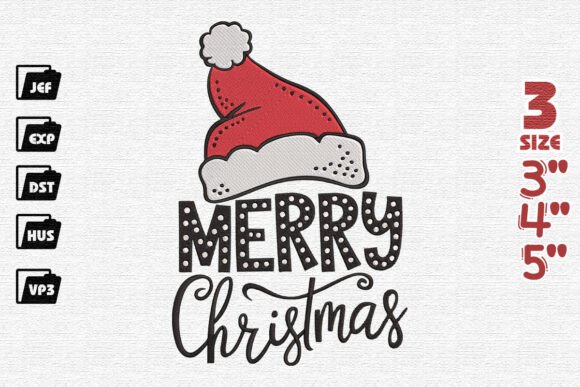
The first thing that strikes you about Merry Magical Embroidery is its tone. The description highlights a combination of playful typography with a Santa hat, suggesting a vibe that is fun, heartwarming, and approachable. In the world of branding, tone is everything. This design does not scream corporate rigidity; instead, it feels friendly and inviting. For businesses like local bakeries, boutique florists, pet brands, or creative studios, this aesthetic aligns perfectly with a customer base that values warmth and community.
However, "playful" can sometimes translate to "messy" in embroidery if the digitizing is not precise. My initial visual inspection suggests that the design relies heavily on the clarity of the lettering. The Santa hat acts as a decorative accent, likely sitting atop a letter or integrated into the text flow. This is a classic holiday trope, but its execution determines whether the final product looks like a premium handmade product or a generic craft store find. The key here is the balance between the whimsical font and the structural integrity of the stitches.
Real-World Applications for Small Business Merch
When considering Merry Magical Embroidery for your inventory, you must think beyond the hoop. How does this design translate into tangible assets that drive revenue? Here is how I envision this file performing across various product categories:
- Embroidered Patches: This is perhaps the strongest use case. A patch allows you to control the backing and stability completely. You can create iron-on or velcro-backed patches featuring this design to sell as standalone items or to attach to jackets and bags. The contained nature of a patch ensures the edges remain clean, preventing fraying on the playful letters.
- Staff Uniforms and Aprons: For cafés and boutiques, holiday uniforms are a massive marketing tool. Embroidering this design on the chest pocket of an apron or the sleeve of a work shirt creates a cohesive team look. It signals to customers that your business is engaged in the season, fostering a sense of shared celebration.
- Cap Embroidery: Front-panel caps are high-visibility items. If the design width fits within standard cap hoops (usually around 5 inches), it makes for an excellent promotional item. However, curved surfaces require careful digitizing to prevent distortion, so checking the file’s compatibility with cap frames is essential.
- Tote Bag Design: Canvas tote bags are staples for retail packaging. Placing Merry Magical Embroidery centrally on a tote transforms a simple bag into a reusable piece of small business merch. The contrast of thread against natural canvas can look rustic and chic, appealing to eco-conscious shoppers.
- Customer Gifts and Add-Ons: Use the design on smaller items like cookie bags, gift tags, or limited-edition product labels. These low-cost items increase perceived value and encourage social media sharing when customers post their unboxing experiences.
Navigating Technical Challenges and Fabric Constraints
While the aesthetic appeal is strong, technical execution is where many designers stumble. When working with Merry Magical Embroidery, you must be mindful of several factors that could compromise the finished product.
Stitch Density and Detail: Playful typography often involves thin lines or intricate serifs. If the stitch density is too high, the fabric may pucker, especially on lighter materials like cotton tees. Conversely, if the density is too low, the backing might show through, ruining the visual impact. Always run a test stitch-out on your intended fabric before committing to a large batch.
Fabric Texture and Color: This design likely relies on specific thread colors to pop—traditional reds, greens, and whites. On dark uniforms or textured fabrics like terry cloth towels, small details can get lost. If you are embroidering on dark garments, consider adding a satin border or using a brighter underlay to ensure legibility. For textured fabrics, a cut-away stabilizer is non-negotiable to maintain shape integrity.
Size Limitations: Do not attempt to shrink this design below its recommended minimum size. Tiny lettering becomes illegible when reduced, turning your brand message into a blur of thread. Check the hoop size requirements in the file documentation. If the design is wide, you may need a larger hoop, which limits the types of garments you can easily hoop, such as fitted sleeves or children’s clothing.
Impact on Brand Identity and Customer Trust
Consistency is the cornerstone of brand recognition. Using a well-digitized file like Merry Magical Embroidery contributes to a professional image. When customers see crisp, clean embroidery on your packaging or staff apparel, it subconsciously signals quality. It tells them that you care about the details, which builds trust.
Furthermore, seasonal designs humanize a brand. They show that your business is active, current, and part of the community’s cultural rhythm. For Etsy sellers and crafters, offering items with this design can boost engagement during the Q4 rush. It provides a fresh visual asset that differentiates your shop from competitors who may be using outdated or clip-art-style graphics. By integrating this design into your design assets, you create a cohesive holiday campaign that spans from your website banner to the physical product in the customer’s hand.
Practical Notes for Production Success
Before you load this digital embroidery file into your machine, follow these professional steps to ensure success:
- Test in Black and White: Print or stitch a monochrome version first. This helps you evaluate the contrast and readability of the typography without the distraction of color. If it doesn’t read well in black and white, it won’t read well in color.
- Verify Commercial Licensing: Never assume a file is free for commercial use. Confirm the license terms explicitly. You need to know if you can sell finished products made with this design on platforms like Etsy or Amazon Handmade.
- Create a Printable Mockup: Use software to place the design on photos of your actual products. This helps you visualize scale and placement before wasting thread and fabric. Share this mockup with clients for approval if you are doing custom work.
- Check File Formats: Ensure the download includes the format compatible with your machine (PES, DST, JEF, etc.). If not, you may need conversion software, which can sometimes alter stitch paths.
- Inspect Spacing and Jump Stitches: Open the file in your editing software to check for excessive jump stitches or poorly placed trims. Clean editing saves time and reduces thread waste during production.
In conclusion, Merry Magical Embroidery offers a charming solution for businesses looking to add festive flair to their merchandise. Its success lies not just in the cute Santa hat motif, but in how carefully you apply it to your products. By respecting the technical limitations of embroidery and aligning the design with your brand’s voice, you can create high-value items that customers love to wear and share. Always prioritize quality control, verify your licensing, and let the craftsmanship speak for your brand.