Bird Bow Embroidery: A Designer’s Practical Review
When I first pulled up the Bird Bow Embroidery file on my screen, I wasn’t looking for flashy effects or complex shading. As a designer who spends half my life tweaking tension settings and the other half packing orders for small business owners, I look for reliability. I look for designs that translate well from digital preview to physical thread. This particular design caught my eye not because it was loud, but because it felt balanced. It has a quiet confidence that suggests it will hold its own on a variety of fabrics without demanding excessive attention to detail during the stitching process.
First Impressions and Visual Personality
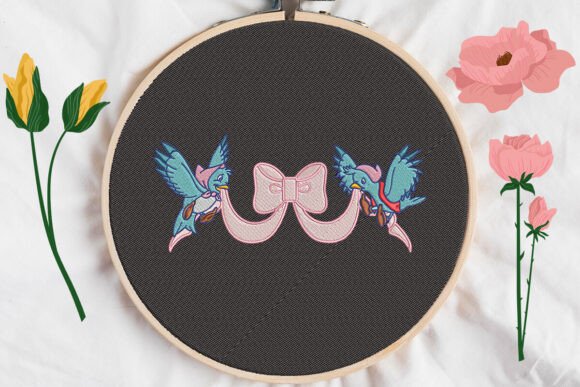
The immediate mood of this design is whimsical yet structured. The combination of a bird motif with a bow element creates a visual narrative that is playful but tidy. For embroidery designers, this balance is crucial. Too much whimsy can look messy if the stitch paths aren’t clean; too much structure can feel sterile. Here, the layout feels intentional. The curves of the bow likely require smooth satin stitches to avoid jagged edges, while the bird component may rely on a mix of fill stitches and running stitches to define shape without creating a heavy, cardboard-like texture.
I appreciate that the design does not appear overly dense. In my experience, designs that try to do too much in a small space often result in puckering, especially on lighter fabrics. This design seems to respect the negative space, allowing the fabric to breathe. This makes it an excellent candidate for those who want a professional finish without battling constant thread breaks or fabric distortion.
Real-World Application: The Tote Bag Test
To truly evaluate a machine embroidery design, you have to imagine it in use. Let’s consider a common scenario for many Etsy sellers and craft business owners: the custom tote bag. Canvas is a forgiving fabric, but it has a distinct texture. I envisioned stitching Bird Bow Embroidery onto a natural cotton canvas tote. The contrast between the organic weave of the canvas and the smooth sheen of polyester embroidery thread would highlight the design’s contours.
In this context, the design works beautifully as a focal point. It is large enough to be seen from a distance but detailed enough to reward closer inspection. For a small shop product, this kind of versatility is gold. You aren’t limited to one niche. While the product category mentions Christmas, and it certainly fits as charming holiday embroidery for gift wrapping accents or festive decor, its appeal extends year-round. Imagine it on a spring-themed apron or a baby’s nursery blanket. The theme is specific enough to be recognizable but general enough to remain relevant beyond December.
Versatility Across Products
The description notes that the versatility of this design allows you to embroider it onto various items, such as pillows, tote bags, jackets, or even framed artwork. I agree with this assessment, but with some practical caveats. On a jacket, particularly a denim or heavy cotton blend, the design would need robust stabilizer support to prevent the weight of the stitches from pulling the fabric down over time. On a pillow, it serves as a delightful accent that adds handmade value without overwhelming the textile.
For apparel decorators, this design could work well on sweatshirt embroidery projects. The softness of fleece pairs nicely with the playful nature of the bird and bow. However, you must be mindful of the nap. If the bird features fine details, ensure your stitch density isn’t so high that it gets lost in the fuzzy texture of the fabric. Testing on scrap fabric is non-negotiable here.
Technical Considerations for Clean Stitching
Before you load this embroidery file into your machine, there are technical factors to review. Since exact stitch counts and file formats are not provided in the brief, you must check these details in the source package. Compatibility with your specific machine brand is essential. But beyond compatibility, consider the stitch types involved.
If the bow utilizes wide satin stitches, you may need to adjust your tension slightly to prevent looping. Satin stitches are gorgeous but prone to snagging if they are too loose. Conversely, if the bird body uses fill stitches, check the underlay. A good digital embroidery file will have proper underlay stitching to anchor the top threads and reduce puckering. Without adequate underlay, the design may shift during washing, compromising the professionalism of your finished product.
Thread color choice plays a massive role in how this design reads. On dark fabric, light thread colors will pop, but you must ensure there is enough contrast between the bird and the bow if they are meant to be distinct elements. I recommend testing the design in black and white mockups first. If the shapes blur together in grayscale, they will likely lack definition in real life unless you choose highly contrasting thread colors.
Navigating Challenges and Fabric Choices
While Bird Bow Embroidery is versatile, it is not universal. There are situations where you should proceed with caution. Small hoop sizes might crop out essential parts of the bow or the bird’s tail, depending on the original dimensions. Always confirm the hoop size requirements before purchasing or downloading.
Textured fabrics like terry cloth or heavy linen can obscure fine details. If the design includes tiny running stitches for outlines, these may disappear into the texture of a rough towel. For such items, consider using an applique design approach if the file supports it, or simply accept that the finer details will be less visible. Stretchy fabrics, such as jersey knits used in t-shirts, require a cut-away stabilizer rather than tear-away to maintain shape integrity. Without proper stabilization, the repeated stretching of the garment will cause the embroidery to pucker and distort.
Curved surfaces, like caps or hats, present another challenge. The design needs to be positioned carefully to avoid distortion around the seam lines. If the bird is placed too close to the edge of the hoop, the curvature of the cap can stretch the image, making the bow look asymmetrical. Always hooping with precision is key here.
Commercial Value and Brand Consistency
For commercial embroidery and digital product sellers, the value of a design lies in its ability to enhance brand consistency. Bird Bow Embroidery offers a cohesive look that can be adapted across a product line. Whether you are selling personalized gifts, embroidered patches, or boutique branding items, this design maintains a consistent aesthetic. It feels handmade but polished, which builds customer trust.
Buyers engage with products that feel thoughtful. A well-executed embroidery project signals quality. When a customer receives a tote bag or a baby item with crisp, clean stitching, they perceive higher value. This design supports that perception by avoiding unnecessary complexity that often leads to errors. It is a safe bet for high-volume production while still retaining the charm of a custom piece.
Final Designer Notes
Before integrating Bird Bow Embroidery into your workflow, take these steps:
- Test the design on scrap fabric identical to your final product material.
- Verify the license terms to confirm whether it allows for commercial use of finished items.
- Check the stitch density to ensure it suits your fabric weight.
- Experiment with thread colors to find the best contrast for your specific background.
- Use appropriate stabilizer based on the fabric type—cut-away for knits, tear-away for wovens.
In summary, this design is a solid addition to any embroidery library. It balances charm with technical feasibility, making it suitable for both hobbyists and professional makers. By respecting the material constraints and preparing properly, you can create stunning, durable products that customers will love.