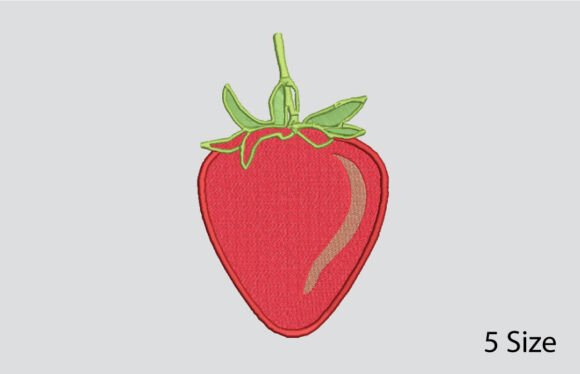
Strawberry Embroidery Design Review
As an embroidery designer who has spent countless weekends behind a craft fair table, I know that the difference between a browser and a buyer often comes down to visual impact. When I first loaded the Strawberry Embroidery Design onto my screen, my immediate thought was about its potential as a high-turnover craft fair product. The description promises a burst of sweetness, and visually, it delivers a fresh, juicy appeal that feels both cheerful and playful. For those of us running small shops or Etsy stores, finding a design that bridges the gap between cute and professional is essential. This review breaks down how this specific Food themed Embroidery asset performs in real-world production scenarios.
First Impressions and Aesthetic Appeal
The first thing I look for in a new machine embroidery design is clarity. Does it read well from three feet away? The Strawberry Embroidery Design leans heavily into a modern, playful aesthetic. It is not overly rustic or strictly farmhouse; instead, it feels vibrant and contemporary. This versatility is crucial because it allows the design to fit into multiple niche markets. Whether you are targeting kitchen decor enthusiasts or lovers of fruity, summery motifs, this design has broad appeal. The color palette implied by the subject matter—bright reds and fresh greens—naturally draws the eye. In a crowded booth display, these warm tones stand out against neutral linens and canvas materials, making it an excellent candidate for grabbing customer attention.
Product Versatility for Craft Fairs
When preparing for a market, I always consider which items will yield the best return on investment regarding time and materials. Here is how I see this design performing across various products:
- Tote Bags and Market Bags: This is arguably the strongest application. A tote bag design needs to be bold enough to be seen while the bag is being carried. Placing the strawberry centrally on a natural canvas tote creates an instant bestseller. It transforms a basic utility item into a statement piece.
- Aprons and Tea Towels: Since the design captures the "fresh, juicy appeal" of the fruit, it naturally belongs in the kitchen. Apron embroidery with this motif adds a whimsical touch to cooking attire. Similarly, tea towel embroidery benefits from the design’s playful nature. However, one must be mindful of the fabric texture. Terry cloth towels can obscure fine details, so testing on smoother waffle weave or flat cotton is advisable.
- Embroidered Patches and Caps: If the design file supports smaller hoop sizes, it makes for a fantastic embroidered patch. Patches are low-commitment purchases for customers and high-margin items for sellers. On caps, the curved surface requires careful hooping, but a simple, bold strawberry shape holds up well without distorting.
- Pillow Covers and Pouches: For home decor, this design works well on zippered pouches or throw pillow covers. It adds a pop of color to neutral living spaces, appealing to buyers looking for small, giftable handmade items.
Production Practicality and Stitch Quality
From a production standpoint, efficiency is key. I evaluate every digital embroidery file based on how quickly it stitches out and how forgiving it is during production. While the exact stitch count and file format are not specified in the brief description, experienced makers know to check these details before committing to a large batch. A design that is too dense can cause puckering, especially on lighter fabrics like tea towels. Conversely, a design with too few stitches may look sparse and unprofessional.
I recommend checking the stitch density carefully. If the red fill areas are too dense, they may become stiff and crack over time after washing. If they are too light, the fabric underneath might show through, ruining the vibrant look. Additionally, consider the thread colors. Using a variegated red thread can add depth to the strawberry, making it look more three-dimensional and premium. However, solid raysin or polyester threads often provide a cleaner, more consistent look for mass production.
Technical Considerations for Makers
Before you list this as a small shop product, there are several technical factors to test:
- Fabric Texture and Stabilizer: Always test the design on scrap fabric identical to your final product. For stretchy fabrics like jersey t-shirts or thin cotton totes, using the correct stabilizer is non-negotiable. A cut-away stabilizer might be necessary for items that will be washed frequently, while tear-away may suffice for decorative pillows.
- Hoop Size and Placement: Confirm the recommended hoop size for the file. If the design is large, ensure your machine can accommodate it. For smaller items like pouches, you may need to resize the design, but be cautious: shrinking it too much can cause details to merge and lose clarity.
- Dark Fabric Challenges: If you plan to offer this on navy or black items, remember that standard red and green threads will not pop. You may need to add a white underlay or use metallic threads to ensure visibility, which changes the production time and cost.
Marketing and Visual Presentation
For the Etsy seller or online boutique owner, photography is everything. The Strawberry Embroidery Design photographs beautifully because of its high contrast. When creating your printable mockup or listing images, ensure the lighting highlights the texture of the stitches. Close-up shots that show the quality of the satin stitches or fill patterns help convey the value of the finished product.
Consistency in branding is also vital. If your shop focuses on minimalist designs, this playful strawberry might feel out of place unless curated correctly. However, if your brand embraces color and joy, this design reinforces that identity. Use it in bundle offers, such as a "Summer Kitchen Set" featuring the apron and matching towel, to increase average order value.
Final Verdict for Commercial Use
The Strawberry Embroidery Design is a strong contender for any maker looking to expand their commercial embroidery portfolio. It hits the sweet spot between trendy and timeless. Its strength lies in its adaptability; it works equally well on a high-end linen napkin or a casual canvas tote. However, success depends on execution. Do not assume the file is perfect out of the box. Test it, tweak your tension, and choose your fabrics wisely.
Remember to verify the commercial licensing terms included with the design assets. Most digital files allow for physical sales of finished goods, but restrictions may apply to sharing the file itself. By treating this design with the care it deserves—checking spacing, contrast, and stability—you can turn a simple digital file into a standout product that drives engagement and sales at your next craft fair.