Reviewing The Tree Digital Embroidery Design
As an embroidery designer who spends countless hours testing files before they ever touch a customer’s fabric, I approach every new machine embroidery design with a mix of excitement and skepticism. We all know that a pretty preview image does not always translate to a smooth stitching experience. Recently, I loaded The Tree Digital Embroidery Design into my software to see if it truly delivers on its promise of celebrating the beauty of nature. For those of us running small shops or selling on Etsy, finding a design that balances intricate detail with practical durability is essential. This review breaks down how this specific Embroidery file performs in real-world scenarios, from baby blankets to wedding keepsakes.
First Impressions: Mood and Aesthetic Appeal
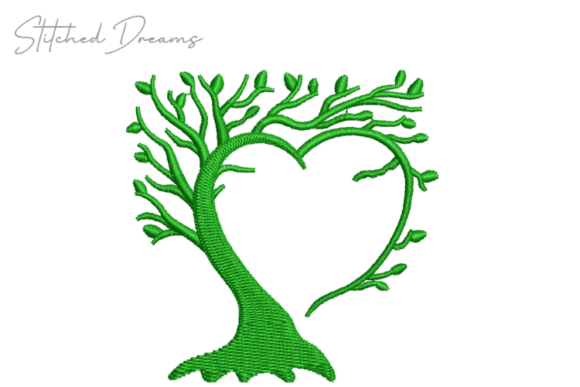
The moment I zoomed in on the digitizing of The Tree Digital Embroidery Design, I was struck by its serene and organic tone. It does not scream for attention with flashy, neon thread colors; instead, it invites a closer look. The majesty of the tree is captured through careful stitch placement that mimics the natural growth of branches and leaves. For a designer, this means the mood is elegant, classic, and deeply rooted in nature. It feels handmade rather than mass-produced, which is exactly what modern buyers are seeking.
This design fits perfectly within the Forest category, evoking a sense of calm and stability. Whether you are aiming for a romantic vibe for a wedding gift or a playful yet soothing aesthetic for nursery decor, this design adapts well. It is not overly childish, nor is it too rigid. This versatility makes it a strong candidate for a wide range of personalized gift products. The emotional appeal lies in its symbolism—trees represent growth, family roots, and endurance, making it a meaningful choice for customers looking for more than just a decorative item.
Versatility in Personalized Gift Products
One of the strongest assets of The Tree Digital Embroidery Design is its adaptability across various substrates. In my test run, I considered several common items found in successful small shop product lines. Here is how the design performs on different mediums:
- Baby Embroidery: When scaled appropriately, this design works beautifully on baby blankets and burp cloths. The organic shapes feel gentle and safe, appealing to parents who want natural themes for their nurseries.
- Wedding Gift: Imagine this tree embroidered on a high-quality linen table runner or a custom pillow cover. It serves as a subtle nod to "putting down roots," making it an ideal wedding gift for couples starting their life together.
- Embroidered Towel: For kitchen or hand towels, the design adds a touch of rustic charm. However, care must be taken with the stitch density to ensure the towel remains absorbent and soft.
- Tote Bags and Aprons: The bold silhouette of the tree stands out well on canvas tote bags or cotton aprons. It creates a striking visual that enhances the perceived value of the handmade product.
For an Etsy seller, this versatility is gold. You can create a cohesive collection featuring the same design across multiple product types, which helps in branding and shop aesthetics. The design acts as a anchor for a nature-themed line, allowing you to offer custom embroidery options that feel curated and thoughtful.
Technical Considerations and Stitching Challenges
While the aesthetic is promising, the technical execution requires attention. As a professional, I cannot stress enough the importance of checking the stitch density and hoop size requirements before starting your project. Since the description mentions "intricately detailed" elements, there is a risk of small details getting lost if the fabric texture is too rough or if the stabilizer is insufficient.
Here are critical areas where you should proceed with caution:
- Fabric Texture: On thick, textured towels, fine details may sink into the pile. I recommend using a cutaway stabilizer to provide firm support and prevent puckering.
- Stretchy Fabrics: If you are applying this to stretchy baby clothes, ensure you use a proper stabilizer combination. The weight of the embroidery could distort lightweight knits if not supported correctly.
- Dark Fabric: Always check thread color contrast. On dark fabrics, you may need to adjust the underlay or choose lighter thread colors to ensure the tree’s details are visible.
- Curved Surfaces: Embroidering on curved surfaces like pillow covers requires careful hooping to avoid shifting. The intricate branches need precise alignment to look natural.
It is also vital to verify the specific file formats included in the digital embroidery file package. Ensure your machine can read the format provided. Additionally, confirm the commercial licensing terms. Most designers allow you to sell finished products, but you must never share or resell the actual embroidery file itself. Always read the license agreement included with your purchase to protect your business.
Enhancing Perceived Value and Customer Trust
From a business perspective, The Tree Digital Embroidery Design has high potential for increasing buyer engagement. Nature-themed designs often evoke an emotional connection, which drives sales. When a customer sees a well-executed tree on a blanket or towel, they perceive it as a high-quality, artisanal item. This perception allows you to price your handmade product higher than simple, generic designs.
To maximize this effect, focus on your product photography. Use natural lighting and props that complement the forest theme, such as wood slices, dried leaves, or neutral linens. A printable mockup can help you visualize the final look before stitching, but nothing beats a photo of the actual finished product. Show close-ups of the stitch quality to build trust. Customers want to see that the small details are clean and that there are no loose threads or jumps.
Practical Steps for Best Results
Before you list this design in your shop or fulfill a custom order, follow these practical steps to ensure consistency:
- Test on Scrap Fabric: Always stitch a test sample on the exact fabric type you plan to use for the final product. This helps you identify any tension issues or density problems.
- Check Thread Colors: Experiment with different thread palettes. Earth tones like greens, browns, and creams work well, but don’t be afraid to try seasonal colors for limited-edition runs.
- Review Small Details: After stitching, inspect the smallest branches and leaves. If they are tangling or breaking, you may need to adjust your machine’s tension or switch to a finer needle.
- Compare Mockups: Create mockups for both light and dark fabrics to show customers how the design looks in different contexts. This reduces hesitation and answers questions before they are asked.
In conclusion, The Tree Digital Embroidery Design is a robust choice for designers and makers looking to expand their nature-inspired collections. It offers a blend of elegance and warmth that appeals to a broad audience, from new parents to wedding planners. By paying attention to technical details like stabilizer choice and fabric compatibility, you can transform this digital file into a stunning physical product. Remember, the key to success in commercial embroidery is not just the design itself, but how well you execute it. With careful planning and testing, this design can become a staple in your portfolio, driving sales and delighting customers who value the beauty of handmade, personalized gifts.