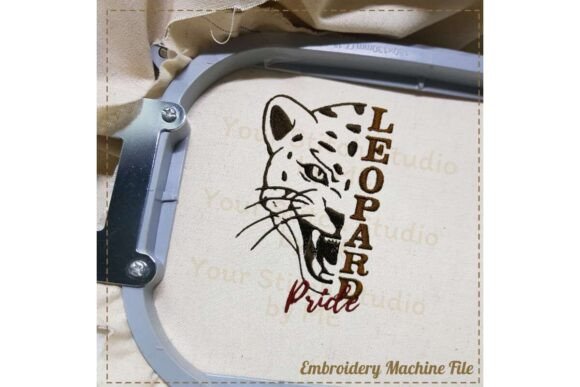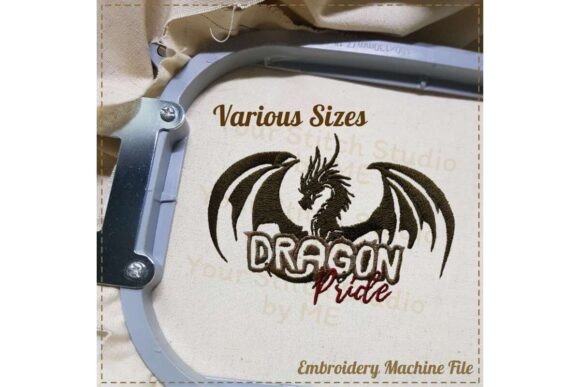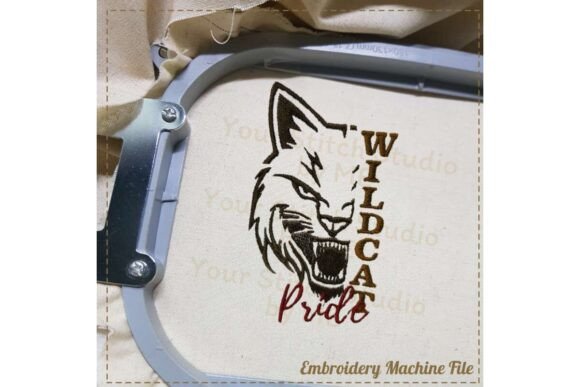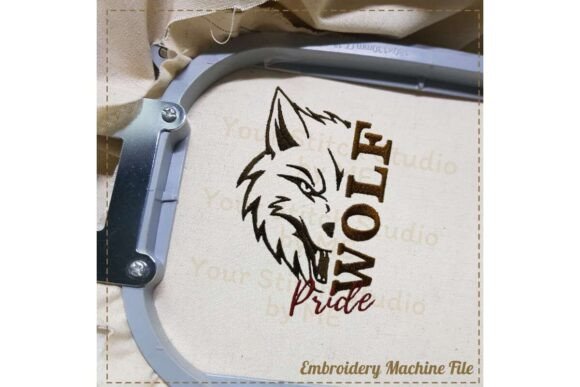
Reviewing the Bobcat Pride Embroidery Design for Real Projects
As a designer who has spent countless hours staring at digitized patterns and watching needles fly across fabric, I have developed a keen eye for what works in the real world. We often see designs that look stunning on a screen but fail miserably under the tension of an embroidery hoop. Today, I am taking a close, practical look at the Bobcat Pride Embroidery Design. This is not just about aesthetics; it is about functionality, durability, and how this piece fits into the broader category of Sports themed Embroidery projects.
First Impressions and Visual Personality
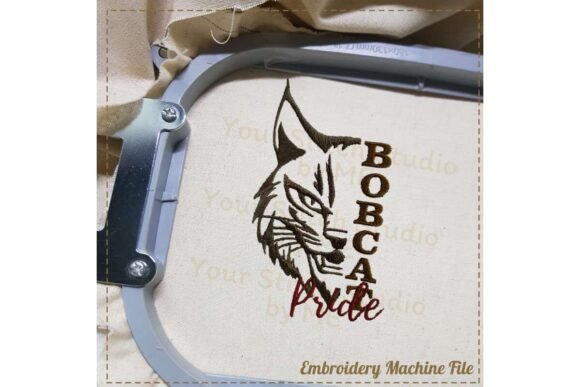
When I first loaded the file into my editing software, the immediate impression was one of bold confidence. The Bobcat Pride Embroidery Design does not shy away from strong lines. It captures the fierce, spirited nature of the animal, which makes it an ideal candidate for team spirit gear or wildlife-inspired decor. The layout feels balanced, avoiding the common pitfall of having too much detail in areas that cannot hold fine stitches.
The mood it creates is energetic and proud. For a machine embroidery design intended for sports or outdoor themes, this visual personality is crucial. It needs to read clearly from a distance, whether it is on the back of a jacket or the front of a cap. The shape and theme suggest a design that relies heavily on clean satin stitch borders and well-placed fill stitch areas to create depth without becoming a dense block of thread.
Real-World Application: The Custom Tote Test
To truly evaluate a design, you must imagine it on a finished product. I recently worked on a project for a local hiking club that needed durable, stylish merchandise. I considered using the Bobcat Pride Embroidery Design for a heavy-canvas tote bag design. This scenario is perfect for testing because canvas has a distinct fabric texture that can interfere with small details.
In this context, the design performed well. The bold outlines ensured that the bobcat’s features remained visible even against the rough weave of the canvas. If I were to use this for a personalized gift, such as a backpack for a student athlete, the impact would be similar. It commands attention. However, for a delicate item like a baby onesie, I would hesitate. The stitch density required to render the fur texture might be too stiff for sensitive skin, making it better suited for sweatshirt embroidery or outerwear where structure is desired.
Versatility Across Product Lines
One of the strongest assets of this embroidery file is its adaptability. It is not limited to apparel. I can easily visualize this design on home decor items. Imagine a rustic cabin setting with throw pillows featuring this motif. The Bobcat Pride Embroidery Design adds a touch of wilderness charm that appeals to a specific demographic. For Etsy sellers and craft business owners, this versatility is key. You can market the same digital asset across multiple niches: from holiday embroidery gifts for hunters to year-round custom apparel for school mascots.
For those creating embroidered patch products, this design is particularly suitable. Patches require clear boundaries and high contrast, both of which this design seems to offer. When scaled down for a pocket logo or scaled up for a back panel, the integrity of the image holds. This is critical for maintaining brand consistency if you are producing merchandise for a team or organization.
Technical Considerations and Stitching Clarity
Let us talk about the technical side. While the description notes that this machine embroidery design comes with multiple embroidery file formats, it is vital to check the specific compatibility with your machine before purchasing. Different brands read data differently. Once loaded, inspect the pathing. A well-digitized design will minimize jumps and trims, saving you time and thread.
The use of running stitch for underlay is essential here. It anchors the design to the fabric, preventing shifting during the high-speed stitching of the top layers. When evaluating the thread colors, consider contrast. A dark bobcat on a dark navy shirt will vanish. You may need to adjust the palette or add a light-colored border to ensure the design pops. This is a common issue in commercial embroidery where brand colors are fixed, but for handmade product creators, you have the freedom to customize.
Where to Use Caution
Not every surface is friendly to this type of design. Avoid using it on thin, stretchy fabrics like lightweight jersey without proper stabilization. The weight of the stitches can cause puckering, ruining the finished product. Similarly, be cautious with curved surfaces like caps. If the design is too wide, it may distort when hooped. Always check the recommended hoop size against your actual equipment.
Dense stitch areas can also be problematic on towels or plush fabrics. The threads may sink into the pile, losing definition. In such cases, a topping stabilizer is non-negotiable. For baby embroidery, always prioritize softness over detail. If this design feels too rigid after stitching, it is not suitable for infant wear, regardless of how cute it looks.
Enhancing Value and Customer Trust
From a business perspective, the quality of your design assets directly impacts customer trust. A clean, professional-looking Bobcat Pride Embroidery Design signals that you care about quality. It enhances the perceived value of your small shop product. Buyers are more likely to engage with listings that show crisp, well-executed stitching in their printable mockup or photos.
For digital embroidery file sellers, providing clear instructions on stabilizer types and thread recommendations can set you apart. It shows expertise and helps hobbyists achieve better results, leading to positive reviews and repeat business. Remember, your reputation is built on the success of your customers' projects.
Practical Designer Notes
Before you commit to a large production run or list this item in your store, follow these steps:
- Test on scrap fabric: Always stitch out a sample on the exact material you plan to use. This reveals issues with tension and density.
- Check thread contrast: Ensure your chosen thread colors stand out against the background fabric.
- Review stitch density: If the design feels too heavy, consider reducing the density in your editing software.
- Confirm hoop size: Make sure the design fits comfortably within your hoop with room for stabilization.
- Inspect small details: Zoom in to check for tiny, isolated stitches that may break or pull out.
- Use proper stabilizer: Match the stabilizer to the fabric weight and stretch.
- Verify licensing: Confirm whether the license allows for commercial use if you plan to sell finished product items.
In conclusion, the Bobcat Pride Embroidery Design is a robust option for designers looking to add a touch of wild spirit to their portfolio. It excels in Sports and outdoor-themed Embroidery applications, offering a balance of detail and durability. By understanding its strengths and limitations, you can leverage this design to create high-quality, appealing products that resonate with your audience. Whether you are an experienced pro or a passionate hobbyist, this design deserves a spot in your library, provided you approach it with the right technical preparation.