Review: Paw Hand, Paw Love Embroidery Design
As an embroidery designer who has spent countless hours hooping fabric and tweaking tension settings, I know that not every machine embroidery design is created equal. Some are beautiful on a screen but nightmare to stitch; others are simple yet lack the visual punch needed to stop a scrolling customer or a passerby at a weekend market. Today, I am putting the Paw Hand, Paw Love Embroidery Design under the microscope. This isn’t just about aesthetics; it is about viability for your craft fair product lineup.
The premise of this design is straightforward: it combines the universal appeal of dogs with a whimsical, affectionate message. For those of us running small shops or Etsy stores, finding designs that bridge the gap between cute and commercially viable is essential. Let’s break down how this specific embroidery file performs in the real world of handmade production.
First Impressions: Whimsy Meets Marketability
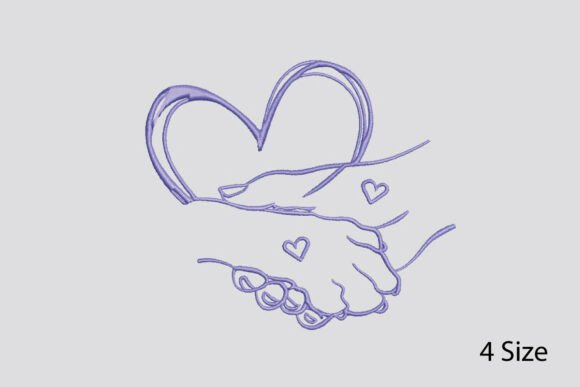
When I first loaded the preview of the Paw Hand, Paw Love Embroidery Design, my immediate reaction was that it feels approachable and warm. It does not try to be overly elegant or minimalist. Instead, it leans into a fun, friendly vibe that resonates deeply with pet owners. In the context of Dogs and Embroidery, this niche is evergreen. People do not just love their pets; they want to display that love on their everyday items.
The design appears to have a balanced composition. It is not so dense that it will pucker lightweight fabrics, nor is it so sparse that it looks unfinished. This balance is crucial for a small shop product where consistency is key. If you are aiming for a farmhouse or rustic aesthetic, this design fits seamlessly. It also works well for modern, colorful boutiques if you choose vibrant thread colors. The "Paw Love" element suggests an emotional connection, which is exactly what drives impulse buys at craft fairs.
Product Versatility: Where Does It Shine?
The description suggests sprucing up t-shirts, towels, and home decor. From a production standpoint, I agree, but let’s get specific about which items will yield the best return on investment.
- Tote Bag Design: Canvas totes are staples at markets. This design works beautifully as a central focal point on a natural cotton tote. The contrast of colorful threads against neutral canvas makes the paw motif pop.
- Apron Embroidery: Kitchen aprons are huge sellers. Placing this design on the bib or the lower corner adds personality without interfering with functionality. It appeals to dog lovers who also love to cook.
- Tea Towel Embroidery: Linen or cotton tea towels are excellent low-cost entry items. However, you must be careful with fabric texture. Ensure the design is not too dense, or the towel will bunch up.
- Embroidered Patch: If the design scales down well, turning it into an iron-on or sew-on patch allows customers to customize their own jackets or bags. This expands your market significantly.
- Caps and Hats: Curved surfaces are tricky. If the design is wide, it might distort on a standard cap. Test this carefully. If it is compact, it could work on the side panel or front center.
For Etsy seller accounts, this design is perfect for creating cohesive collections. Imagine a bundle featuring a matching tote, apron, and kitchen towel. This increases average order value and makes your shop look professional and curated.
Production Realities: Stitch Density and Fabric Choice
Before you commit to batch production, you must address the technical aspects. The success of any commercial embroidery project hinges on execution. Here are my practical notes for working with this specific design.
First, check the stitch density. Whimsical designs often use satin stitches for outlines and fill stitches for larger areas like the paw pad. If the density is too high for thin fabrics like t-shirt jersey, you will need a cut-away stabilizer to prevent distortion. For towels, a tear-away might suffice, but test it first. Thick, textured towels can hide fine details, so ensure the lines in the "Paw Love" text are bold enough to remain legible.
Second, consider hoop size. You need to know the exact dimensions of the design. If it is large, you may need a 5x7 or 6x10 hoop, which limits the types of machines your customers can use if you are selling the digital embroidery file itself. If you are selling finished goods, ensure your machine can handle the required hoop size efficiently.
Third, thread contrast is vital. On dark fabrics, light threads will stand out, but you may need an underlay to prevent the fabric color from showing through. On white fabrics, ensure your threads are vibrant. A muddy color palette will make the design look cheap. Always create a printable mockup or a physical sample before listing the item. Photos sell products, and a poorly stitched sample will not photograph well.
Visual Appeal and Customer Engagement
Why does this design work for buyer engagement? It tells a story. "Paw Hand, Paw Love" is a play on words that is easy to understand at a glance. In a busy craft fair environment, you have seconds to capture attention. A clear, cute message paired with a recognizable symbol (the paw) reduces cognitive load for the buyer. They instantly know what it is and who it is for.
This clarity boosts perceived value. A well-executed handmade product with a clever design feels premium. It suggests that the maker put thought into the selection, not just the stitching. This builds brand consistency. If your booth features several items with this cohesive theme, it creates a strong visual identity that draws people in.
Designer Notes for Best Results
To ensure your finished product meets professional standards, follow these steps:
- Test on Scrap Fabric: Never skip this. Stitch the design on the exact fabric you plan to sell. Check for puckering, thread breaks, or registration issues.
- Review Spacing: Ensure the text and the paw graphic are balanced. If the text is too small, it may become illegible after washing.
- Check Commercial Licensing: Before selling any items, confirm the license terms of the design assets. Most designers allow finished product sales, but some restrict digital resale. Always read the fine print.
- Create Real Mockups: Use your stitched samples for photos. Natural lighting on real fabric converts better than digital renderings for handmade goods.
- Compare Fabric Colors: See how the design looks on cream, white, gray, and navy. Some color combinations will sell better than others.
In conclusion, the Paw Hand, Paw Love Embroidery Design is a strong contender for your spring and summer inventory. It is versatile, emotionally resonant, and technically manageable if you pay attention to stabilizer and thread choices. For creative entrepreneurs looking to expand their Dogs themed collection, this design offers a charming way to connect with customers who wear their hearts—and their pets' paws—on their sleeves.