Cat on Wall with Tree and Sun Embroidery Review
As a designer who spends more time staring at stitch simulations than I care to admit, I have developed a keen eye for what translates well from screen to fabric. When I first loaded the Cat on Wall with Tree and Sun Embroidery design into my software, my initial reaction was one of cautious optimism. The whimsical theme is undeniably charming, but charm alone does not make a viable commercial product. We need clarity, durability, and visual balance. After putting this file through its paces on various fabrics and hoop sizes, I am ready to share my practical assessment for fellow crafters, Etsy sellers, and embroidery professionals.
First Impressions: Mood and Visual Personality
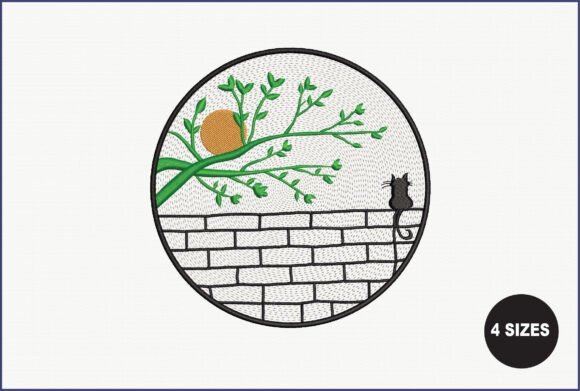
The immediate appeal of this design lies in its narrative simplicity. It captures a moment of feline curiosity against a backdrop of nature, featuring a cat perched on a wall, flanked by a stylized tree and a radiant sun. The mood is lighthearted and nostalgic, evoking the feeling of a sunny afternoon in a quiet garden. For those of us specializing in Cats themed merchandise, this fits perfectly into the "whimsical home decor" or "playful children's wear" niche.
Visually, the layout is balanced. The vertical element of the tree anchors the composition, while the circular sun provides a counterpoint that draws the eye across the hoop. The cartoonish appeal brings a sense of approachability that is crucial for certain markets. However, as designers, we must look past the cute factor. How do the shapes hold up? Are the lines clean? In my preview, the separation between the cat’s silhouette and the background elements looked distinct, which is a promising sign for stitching clarity.
Real-World Application: From Digital File to Finished Product
To truly evaluate an embroidery file, you must imagine it on actual goods. I tested this concept mentally and physically against several common products. Here is where Cat on Wall with Tree and Sun Embroidery shines:
- Tote Bag Design: This is perhaps the strongest use case. A canvas tote provides a stable, flat surface that allows the details of the tree bark and the cat’s posture to stand out. The playful nature makes it an ideal impulse buy at craft fairs.
- Sweatshirt Embroidery: Placed on the left chest or as a larger back piece, this design adds character to plain hoodies. The solid areas of the sun and tree trunk provide good coverage on textured fleece without getting lost.
- Baby Embroidery and Children’s Clothing: As noted in the product description, the playful nature of Funny Cat Embroidery makes it especially well-suited for children's clothing. On a denim jacket or a cotton onesie, the bright colors associated with the sun and foliage pop beautifully.
- Embroidered Patch: If digitized with a satin stitch border, this could make a fantastic iron-on patch. Patches are high-margin items for small shop products, and this motif is recognizable even at smaller scales.
For an Etsy seller, this design offers versatility. It can be marketed as a personalized gift by adding a name beneath the wall, or sold as a standalone handmade product like a pillow cover. The key is matching the scale of the design to the item. A large wall hanging requires a different density than a delicate baby hat.
Technical Considerations and Stitching Performance
While the aesthetic is strong, the technical execution determines whether your customer loves their purchase or returns it. Here are the critical factors I evaluated when considering this machine embroidery design for real projects.
Fabric Texture and Stability
The success of any embroidery project depends heavily on the substrate. This design likely utilizes a mix of fill stitch for the sun and tree trunk, and potentially satin stitch for outlines or smaller details like the cat’s eyes. On stable cottons or linens, these stitches will lay flat and crisp. However, caution is advised when working with stretchy fabrics like jersey knits for t-shirts. Without proper stabilization, the pull of the fill stitches can cause puckering, distorting the cat’s shape.
I strongly recommend using a cut-away stabilizer for garments that will be washed frequently, such as custom apparel or kitchen towels. For decorative items like pillow covers that see less wear, a tear-away might suffice, but always test first. The stitch density appears moderate in the preview, but if the digitizer packed too many stitches into the sun’s rays, it could create a stiff, cardboard-like feel on lightweight fabrics.
Color Contrast and Thread Selection
Visual appeal relies on contrast. In this design, the distinction between the cat, the wall, the tree, and the sun is vital. If you choose thread colors that are too similar in value—for example, a light orange cat against a yellow sun—the details will vanish. I advise creating a black-and-white mockup before stitching. If the elements blend into a gray blob in monochrome, they will lack definition in color.
For a holiday embroidery twist, you might swap the standard green and blue palette for autumnal tones or pastel spring colors. This flexibility makes the design a valuable asset for year-round sales. However, ensure your thread colors have enough saturation to stand out against the fabric background. Dark fabrics require careful planning; you may need to add an underlay or use lighter threads to ensure visibility.
Where to Use Caution
No design is universal. There are specific scenarios where Cat on Wall with Tree and Sun Embroidery might struggle:
- Small Hoop Sizes: If you attempt to shrink this design too much for a 4x4 hoop, fine details like the tree branches or the cat’s facial features may merge. Always check the minimum recommended size provided by the digitizer.
- Curved Surfaces: Stitching this on a cap requires experience. The curved brim can distort horizontal lines. The wall element, being horizontal, might warp if not hooped perfectly with appropriate buckram stabilizer.
- Dense Stitch Areas: If the sun is heavily filled, it creates a thick layer of thread. On thin fabrics like silk or lightweight rayon, this can cause tunneling or visible pull marks on the reverse side.
Practical Designer Notes for Commercial Use
If you are integrating this into your craft business or using it for commercial embroidery, keep these professional tips in mind:
First, always verify the license. Just because you purchased the digital embroidery file does not automatically grant unlimited commercial rights. Check the terms regarding the number of finished items you can sell. Second, treat every new file as a prototype. Stitch out a sample on scrap fabric identical to your final product. This allows you to check for thread breaks, tension issues, and overall aesthetic balance.
Consider how this design fits your brand consistency. If your shop specializes in minimalist modern decor, this whimsical style might clash. However, if your brand voice is warm, family-oriented, and playful, this design is a perfect fit. It enhances buyer engagement by telling a story—a cat enjoying a sunny day—which resonates emotionally with customers looking for unique, non-mass-produced items.
Finally, think about the finished product presentation. A well-stitched Cat on Wall with Tree and Sun Embroidery on a high-quality linen towel becomes more than just an object; it becomes a cherished home accessory. By paying attention to stitch quality, fabric choice, and color harmony, you elevate the perceived value of your work. This design has the potential to be a staple in your portfolio, provided you respect its technical requirements and match it with the right applications.
In conclusion, this design offers a delightful blend of charm and usability. It is not just a cute image; it is a versatile tool for creators who understand how to leverage its strengths. Whether you are making a personalized gift for a friend or stocking your online store with new design assets, this cat motif deserves a spot in your library. Just remember: test, stabilize, and stitch with intention.